
EMDR Intensives
Focused work for
what hasn't moved.
EMDR Intensives are designed for people who are ready for focused, concentrated work - whether that's processing a specific trauma, breaking through a plateau, or simply needing a different pace than weekly sessions allow.
EMDRIA Certified | In-person · New Orleans | Virtual · Louisiana
"EMDR allows the brain to do what it was always designed to do: process, integrate, and move forward.
Jennifer Keyte, LCSW
EMDRIA Certified

EMDR Intensives
Focused work for what hasn't moved.
EMDR Intensives are designed for people who are ready for focused, concentrated work - whether that's processing a specific trauma, breaking through a plateau, or simply needing a different pace than weekly sessions allow.
EMDRIA Certified | In-person · New Orleans | Virtual · Louisiana
"EMDR allows the brain to do what it was always designed to do: process, integrate, and move forward."
Jennifer Keyte, LCSW
EMDRIA Certified
An EMDR Intensive might be right for you if
Your past is still showing up in the present
EMDR Intensives are for people who are willing to engage seriously with something that has been hard to reach in standard weekly sessions.
Understanding EMDR
What EMDR is.
How it works.
01
The science behind it
EMDR stands for Eye Movement Desensitization and Reprocessing. It is an evidence-based therapy developed by Francine Shapiro and now one of the most researched trauma treatments available. The WHO, APA, and VA all recognize it as a first-line treatment for PTSD and trauma.
02
What happens in a session
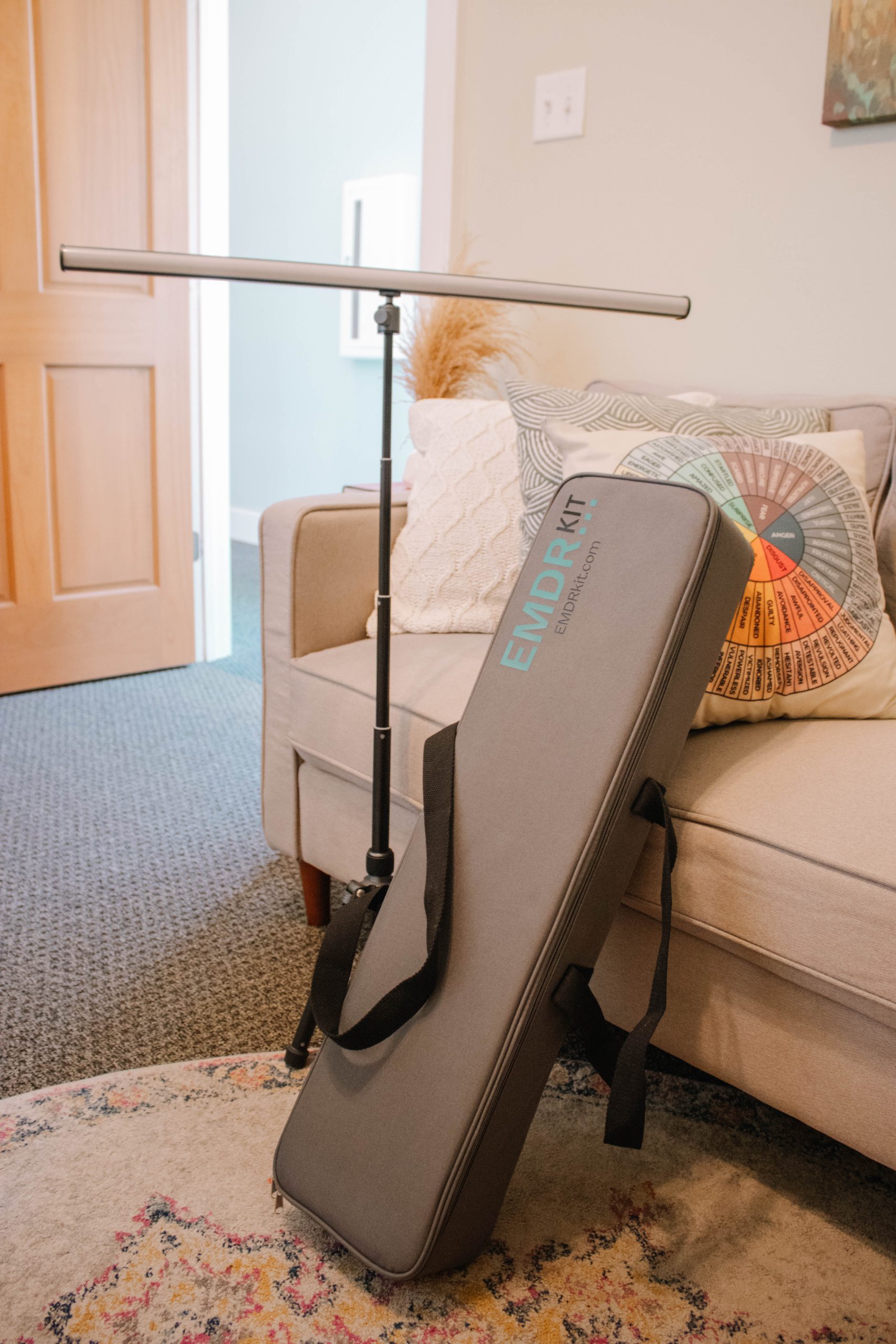
EMDR uses bilateral stimulation, most often guided eye movements, to help the brain reprocess distressing memories. Rather than reliving them, clients find the memories lose their emotional charge. The memory does not disappear; it simply stops having the same grip on the nervous system.
03
Why intensives work differently
Weekly therapy parcels the work into 50-minute segments, which is appropriate for many clients. Intensives compress that work into longer, consecutive sessions. For trauma processing, this allows momentum to build without the week-long gaps that can interrupt the reprocessing cycle.
Understanding EMDR
What EMDR is.
How it works.
01
The science behind it
EMDR stands for Eye Movement Desensitization and Reprocessing. It is an evidence-based therapy developed by Francine Shapiro and now one of the most researched trauma treatments available. The WHO, APA, and VA all recognize it as a first-line treatment for PTSD and trauma.
02
What happens in a session
EMDR uses bilateral stimulation, most often guided eye movements, to help the brain reprocess distressing memories. Rather than reliving them, clients find the memories lose their emotional charge. The memory does not disappear; it simply stops having the same grip on the nervous system.
03
Why intensives work differently
Weekly therapy parcels the work into 50-minute segments, which is appropriate for many clients. Intensives compress that work into longer, consecutive sessions. For trauma processing, this allows momentum to build without the week-long gaps that can interrupt the reprocessing cycle.
What EMDR Can Address
More than
trauma.
EMDR was developed for trauma, and it remains most well-known for that application. But the research and clinical evidence now extend well beyond single-incident trauma into a range of presenting concerns.
Trauma & PTSD
Single-incident trauma (accidents, assaults, medical events) and complex developmental trauma. EMDR is one of the most evidence-based approaches available for PTSD.
Childhood Wounds
Early experiences of neglect, emotional unavailability, or difficult family dynamics that did not meet the clinical threshold for trauma but left lasting imprints on how you relate to yourself and others.
Anxiety & Phobias
Anxiety rooted in specific past experiences, performance anxiety, and phobias with a traceable origin. EMDR gets to the root memory rather than managing the symptom.
Grief & Loss
Complicated grief, traumatic loss, or bereavement that has not moved in the way expected. EMDR can help the nervous system process what the mind has struggled to integrate.
Stuck Negative Beliefs
Core beliefs like "I am not enough," "I am not safe," or "I am to blame" that feel true even when you know rationally they are not. EMDR targets the experiences that created these beliefs at the source.
Chronic Stress & Burnout
When stress has accumulated over time and become stored in the body in ways that talk therapy alone has not fully resolved. EMDR works with the somatic dimension of what has built up.
What EMDR Can Address
More than
trauma.
EMDR was developed for trauma, and it remains most well-known for that application. But the research and clinical evidence now extend well beyond single-incident trauma into a range of presenting concerns.
Trauma & PTSD
Single-incident trauma (accidents, assaults, medical events) and complex developmental trauma. EMDR is one of the most evidence-based approaches available for PTSD.
Childhood Wounds
Early experiences of neglect, emotional unavailability, or difficult family dynamics that did not meet the clinical threshold for trauma but left lasting imprints on how you relate to yourself and others.
Anxiety & Phobias
Anxiety rooted in specific past experiences, performance anxiety, and phobias with a traceable origin. EMDR gets to the root memory rather than managing the symptom.
Grief & Loss
Complicated grief, traumatic loss, or bereavement that has not moved in the way expected. EMDR can help the nervous system process what the mind has struggled to integrate.
Stuck Negative Beliefs
Core beliefs like "I am not enough," "I am not safe," or "I am to blame" that feel true even when you know rationally they are not. EMDR targets the experiences that created these beliefs at the source.
Chronic Stress & Burnout
When stress has accumulated over time and become stored in the body in ways that talk therapy alone has not fully resolved. EMDR works with the somatic dimension of what has built up.
Two Ways to Work with EMDR at Cypress
Integrated therapy or
standalone intensive.
Jennifer offers EMDR in two formats. Understanding the difference helps you choose what fits your situation and goals.
Option One
EMDR within ongoing therapy
For clients already working with Jennifer in weekly individual therapy, EMDR is woven in naturally when the timing and material call for it. This is not a separate service; it is part of the integrative approach Jennifer brings to all her work.
It tends to be the right fit when:
Option Two
Standalone EMDR Intensive
Longer, dedicated sessions focused specifically on EMDR processing. These are structured differently from weekly therapy, with more time in each session for the reprocessing cycle to run its course without interruption.
It tends to be the right fit when:
Two Ways to Work with EMDR at Cypress
Integrated therapy or standalone intensive.
Jennifer offers EMDR in two formats. Understanding the difference helps you choose what fits your situation and goals.
Option One
EMDR within ongoing therapy
For clients already working with Jennifer in weekly individual therapy, EMDR is woven in naturally when the timing and material call for it. This is not a separate service; it is part of the integrative approach Jennifer brings to all her work.
It tends to be the right fit when:
Option Two
Standalone EMDR Intensive
Longer, dedicated sessions focused specifically on EMDR processing. These are structured differently from weekly therapy, with more time in each session for the reprocessing cycle to run its course without interruption.
It tends to be the right fit when:
"In completing EMDR with Jen, she helped me connect the dots between my experiences, recognize patterns I couldn't see on my own, and approach myself with more compassion than I ever had before. The traumatic memories that once felt overwhelming and all-consuming no longer carry the same shame and fear. Rather than feeling stuck in a constant fight or flight, I'm able to approach those experiences with greater self-compassion and understanding. The skills and tools I gained through EMDR with Jen have helped me trust in my ability to cope, which once felt out of reach. I'm grateful for the hard work we did together."
- An EMDR CLIENT
"EMDR work has changed my life for the better. I can feel my emotions and let them go. I can cry/release without shame or guilt. I can hold space for myself in difficult situations without taking on negative energy. I am on a continuous journey of understanding how my past shapes the way I make decisions, I practice patience and understanding for others, I have so much empathy for others who are on their trauma healing journey. This work changes lives."
- An EMDR CLIENT
What to Expect
What an EMDR intensive actually looks like.
EMDR Intensives are structured to give the reprocessing work room to breathe. Sessions are longer than standard therapy, and the format is designed around the needs of the processing work rather than a fixed clock.
Before any EMDR processing begins, Jennifer conducts a thorough history-taking and preparation phase. Nothing is rushed. The work begins when you are ready.
Extended
sessions
Intensive sessions run longer than the standard 55 minutes, with the specific length determined based on your treatment plan and capacity. Format is discussed and agreed upon at the consultation stage.
Preparation before processing
Jennifer begins with a full history and resourcing phase before any active EMDR processing. Clients are never moved into processing before they have the tools and stability to work with what comes up.
In-person or virtual
In-person at her New Orleans office, or virtually via secure telehealth for clients across Louisiana. Both formats are appropriate for EMDR work.
$675 per 3 hour processing block
Pricing reflects the extended session length and the specialized preparation and clinical work involved.
What to Expect
What an EMDR intensive actually looks like.
EMDR Intensives are structured to give the reprocessing work room to breathe. Sessions are longer than standard therapy, and the format is designed around the needs of the processing work rather than a fixed clock.
Before any EMDR processing begins, Jennifer conducts a thorough history-taking and preparation phase. Nothing is rushed. The work begins when you are ready.
Extended sessions
Intensive sessions run longer than the standard 55 minutes, with the specific length determined based on your treatment plan and capacity. Format is discussed and agreed upon at the consultation stage.
Preparation before processing
Jennifer begins with a full history and resourcing phase before any active EMDR processing. Clients are never moved into processing before they have the tools and stability to work with what comes up.
In-person or virtual
In-person at her New Orleans office, or virtually via secure telehealth for clients across Louisiana. Both formats are appropriate for EMDR work.
$675 per 3 hour processing block
Pricing reflects the extended session length and the specialized preparation and clinical work involved.
Jennifer's EMDR Credentials
Trained with intention.
Certified.
Jennifer is not a generalist who offers EMDR as an add-on. Her certification reflects a significant investment in training, supervised practice, and continued education in trauma-informed approaches.
She offers both integrated EMDR within individual therapy and standalone EMDR Intensives, and brings the same depth of attention to both formats.
Primary Certification
EMDRIA Certified Therapist
Certified by the EMDR International Association, which requires documented training hours, supervised client sessions, and ongoing continuing education specific to EMDR.
Training
EMDR International Association
Trained through the EMDR International Association's approved training program, covering the full eight-phase protocol and the preparation, desensitization, and reprocessing phases in depth.
Integration
Woven into a broader clinical lens
Jennifer integrates EMDR with ACT, EFT, and IFS, which allows her to address what comes up in processing from multiple angles rather than working with a single protocol in isolation.
Jennifer's EMDR Credentials
Trained with intention. Certified.
Jennifer is not a generalist who offers EMDR as an add-on. Her certification reflects a significant investment in training, supervised practice, and continued education in trauma-informed approaches.
She offers both integrated EMDR within individual therapy and standalone EMDR Intensives, and brings the same depth of attention to both formats.

Primary Certification
EMDRIA Certified Therapist
Certified by the EMDR International Association, which requires documented training hours, supervised client sessions, and ongoing continuing education specific to EMDR.
Training
EMDR International Association
Trained through the EMDR International Association's approved training program, covering the full eight-phase protocol and the preparation, desensitization, and reprocessing phases in depth.
Integration
Woven into a broader clinical lens
Jennifer integrates EMDR with ACT, EFT, and IFS, which allows her to address what comes up in processing from multiple angles rather than working with a single protocol in isolation.
Ready to see if this
is the right fit?
A free 15-minute consultation is the first step.
No commitment, no clinical intake. Just a conversation to see if working together makes sense.
→ REQUEST A FREE CONSULTATION
VIEW FEES